MovingGrounds Journal

A journal and archive of dance, memory & culture

A central destination for African dance histories and contemporary practices.

Moving Grounds is an independent journal, archive, and research platform dedicated to documenting, examining, and making accessible the knowledge produced through dance in Nigeria and across Africa.
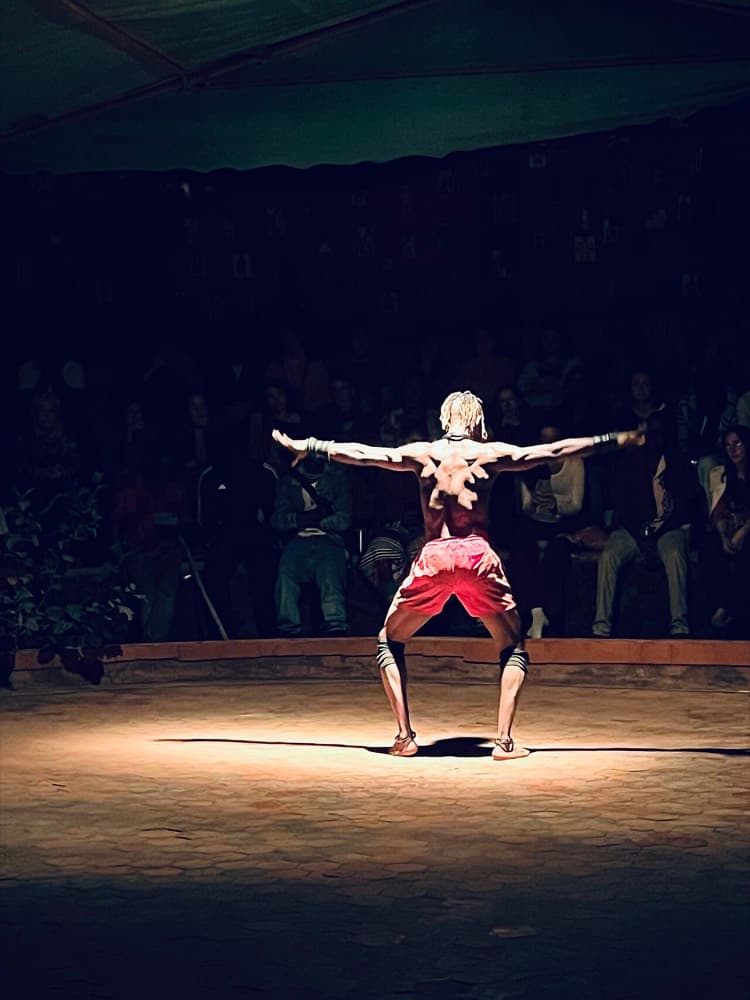
Solo dancer mid-performance under stage light

We explore dance not only as performance, but as a way of knowing.

We look at how movement carries memory, shapes identity, challenges power, creates community, generates knowledge, and participates in the making of culture.

Seven lenses

Many ways to move

View all themes →
01

History & Memory

The histories we inherit, the histories we lose, and the histories we create. We investigate dance histories, cultural memory, lineage, heritage, forgotten practitioners, traditions, and the ways movement carries the past.

Explore theme→
02

Performance & Choreography

How movement becomes composition, performance, and meaning. From traditional forms to contemporary choreography, we examine processes, aesthetics, dramaturgy, space, time, authorship, and the ideas behind performance.

Explore theme→
03

Diaspora & Migration

What happens to movement when people move? We explore African dance across borders, the circulation of bodies and practices, migration, cultural exchange, hybridity, belonging, and the evolving relationship between Africa and its diasporas.

Explore theme→
04

Dance, Society & Politics

Movement does not exist outside society. We examine dance in relation to politics, religion, protest, community, class, citizenship, social change, cultural identity, and power.

Explore theme→
05

Dance Economy & Ecosystem

What makes a dance scene possible? We investigate funding, labour, careers, entrepreneurship, cultural markets, festivals, institutions, infrastructure, audiences, and the economic conditions surrounding dance.

Explore theme→
06

Policy & Institutions

The systems around dance matter. We examine cultural policy, institutions, public funding, education systems, intellectual property, labour structures, cultural diplomacy, and the decisions that shape the future of dance.

Explore theme→

Latest from the journal

Featured this week

1 / 4

Stay in the conversation

New essays, research, and calls, straight to your inbox.

We respect your privacy. Unsubscribe at any time.

What is not documented can be forgotten.

What is not studied can be misunderstood.

And what is not accessible cannot easily be carried forward.

We believe that free and decentralised access to valuable knowledge can contribute to a more equitable, sustainable, and thriving future for dance.