

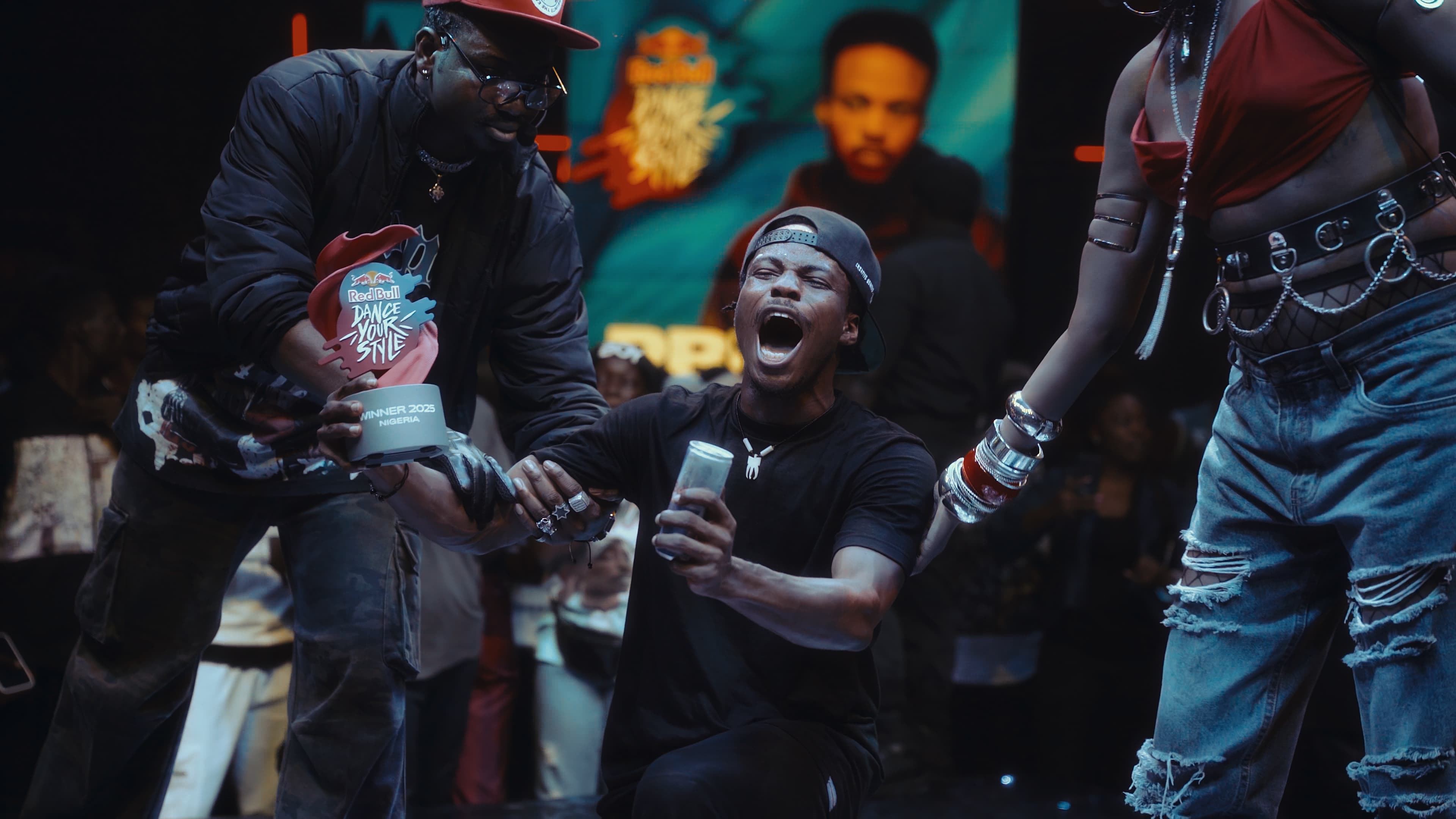
When Peter “P Brain” Uzodinma, a Port Harcourt-based dancer, was named national champion at the 2025 Red Bull Dance Your Style (DYS) finals on June 29th, something shifted. It wasn’t the usual joy of a win; it was the sense that the center had cracked open, even if just a little. For the first time in Red Bull DYS Nigeria’s history, the crown left Lagos. And for those who understand Nigeria’s creative landscape, that moment meant far more than applause and trophies: it was proof that brilliance could bloom beyond the city that claims everything.
Lagos has long been framed as the place “where things happen.” It’s the shorthand for visibility, movement, and success. Whether you’re a dancer, filmmaker, or tech entrepreneur, the advice is the same: go to Lagos. But how did one city become the entire country’s creative symbol? The answer is not only historical, it’s structural.
From colonial trade routes to the concentration of post-independence power, Lagos was built into the country’s commercial and administrative hub. Even after Abuja became the capital in 1991, Lagos kept the institutions, networks, and cultural engines that shape attention, and in today’s world, attention is power. Over time, the media, creative industries, and funding systems became Lagos-centric, turning what started as an economic reality into a creative monopoly. If it doesn’t happen in Lagos, it’s seen as small.
Port Harcourt, Jos, Kaduna, Enugu, Calabar, and Delta have vibrant communities and incredible talent. What they lack isn’t creativity; it’s access: the platforms, the funding, the press, and infrastructure. Without those, their stories rarely travel. This imbalance isn’t unique to dance; it cuts across every cultural sector. But dance, being one of the most physical and under-resourced art forms, exposes the inequality in raw, visible ways.
As a dancer based in Lagos myself, I know what this imbalance feels like, even from within the center of excellence. I live in Ikotun, and sometimes I spend over an hour in traffic just to reach a rehearsal or a space where I can be seen. In a city overflowing with talent, you still fight to exist. There are not enough studios, not enough open floors, not enough opportunities beyond commercial gigs or competitions. Lagos may be the stage, but it’s also a mirror of scarcity.
So when P Brain stepped on that stage in Lagos and won, it was more than a personal triumph; it was a message to every dancer outside the city’s borders: you are not too far, not too small, and not dreaming in vain. But even victories in Nigeria come with reminders of the systems that still hold artists back. Months after his historic win, P Brain was denied a visa to represent Nigeria at the world finals in Los Angeles. For many in the dance community, it felt like a punch to the gut, a painful symbol of how far talent from this part of the world has to travel just to be seen, and how fragile that recognition can be.
This disappointment felt like a déjà vu. Because this wasn’t only about P Brain. It was about every Nigerian dancer who has fought for a chance, finally made it, only to be reminded that systems, both at home and abroad, were never designed with them in mind.
Mobility has become one of the most stubborn barriers for African artists. The same structures that limit opportunities outside Lagos, weak institutions, lack of infrastructure, and limited access, are echoed globally in how borders treat African creatives. To a visa officer, a dancer from Port Harcourt isn’t a cultural ambassador; he’s a statistic. And in that gap between recognition and rejection, entire dreams are paused.
P Brain’s visa denial was a bureaucratic failure; it was another layer of invisibility. First, artists are overlooked at home because they’re not from Lagos; then they’re sidelined internationally because they’re from Nigeria. Yet what makes his story powerful is what follows: he will stay in Port Harcourt and keep dancing. He will return to the same streets, the same community, the same practice that made him. He won’t disappear. He won’t stop. That’s the real story, that even when the world closes doors, dancers here keep moving.
And that’s where the deeper conversation begins. Because while the first-world countries get the headlines, dancers and community builders across the continent have been doing the real work, creating space where none existed. People like Qudus Onikeku in Lagos, Patient Ebute in Jos, and Joshua Akubo in Kaduna are building their own ecosystems. They’re transforming compounds into rehearsal studios, turning schoolyards into open floors, and organising workshops in community halls. Their work doesn’t trend on global pages, but it keeps the culture alive.
Platforms like Freestyle Friday with Nas (FFWN) show what decentralisation looks like in practice. Year after year, it gathers dancers from cities and towns that most people in Lagos rarely think about, providing them with lights, music, and community, all without waiting for a corporate sponsor. It’s these quiet, consistent efforts that are keeping Nigeria’s dance economy alive, building from the ground up.
Decentralising culture isn’t about scattering events across regions for show. It’s about redistributing visibility, opportunity, and dignity. It’s about making sure that when a dancer like P Brain wins, his story doesn’t end at an embassy counter. Maybe that’s where the real revolution begins, not just in who gets seen, but in who keeps showing up when the system doesn’t.
P Brain’s story reminds us that visibility is not only about being on a global stage; it’s also about refusing to disappear when you’re told you don’t belong there. His journey, and those of countless others, reveal the true spirit of Nigerian dancers: resilient, unyielding, and endlessly inventive.
“We keep moving, we keep Dancing, we keep growing — see you in the FUTURE.”
Peter "P Brain" Uzodinma